Friday, October 8, 2021

Gut Health for Diabetic People During the COVID-19 Pandemic

 Written by: Hamza Alvi, SLU Dietetic Intern

The unwanted effects of COVID

Nowadays, it feels impossible to live our lives without a mention of COVID-19, the contagious disease caused by the virus – SARS-CoV-2. This microscopic virus has crept into every corner of our lives and has infected our bodies, our communities, our relationships, and our lifestyles. But, SARS-CoV-2 does not pose the same threat for everyone equally. The elderly is placed at a disadvantage from COVID-19 outcomes, especially if they present with underlying chronic diseases such as diabetes, lung disease, cardiovascular disease, and cancer. [1]. Majority of the people infected with COVID-19 display mild flu-like symptoms or don’t develop symptoms at all, while others rapidly degenerate with viral pneumonia. The novel coronavirus can result deleterious effects for seniors (65+ years old), including higher rates of hospitalizations, increased ICU admissions, and deaths [2]. On April 21, 2021, AARP reported 32.1% deaths seen in people aged 65 and up. Comparatively, only 0.5% deaths were seen in a person aged below 24 [3].

While the disease has contributed with unwanted consequences in the senior population, it also developed undeniable challenges for the diabetics. Type 2 diabetes acts as a prime comorbid factor of COVID-19. According to The Centers for Disease Prevention and Infections (CDC), preliminary data enabled the scientists and physicians to postulate diabetes to be the most prevailing medical condition existing in COVID-19 patients [4]. Poor glycemic control may be a potential reasoning for this finding which leads to higher mortality rate from COVID-19 [5]. Hence, glycemic management is essential for diabetic patients and a plant-rich diet — high in fermentable fibers (soluble and insoluble), pasture-raised animal proteins, and low in sugars — can help improve glycemic control and help strengthen the immune system among patients with type 2 diabetes [6,7].

Using nutrition to strengthen our immune system

Concentrating on lifestyle factors, such as dietary regimen, can enable an individual to modulate their immune system. The immune system is home to trillions of microbes- bacteria, fungi, and viruses – which inhabit inside the human body called the gut microbiome. Most of these microbes reside in our lower digestive tract and some in the colon. The human body is remarkable at metabolizing proteins, carbohydrates, and fats to its constituents, but can’t digest fiber due to the absence of enzymes that degrade fiber. Fiber travels through the digestive tract unaltered until it arrives to the colon. As alluded earlier, the gut microbiota is home to trillions of symbionts – good or bad bacteria that exists in symbiosis with us. We could generate space for pathogenic bacteria through an inflammatory diet (i.e., SAD – standard American diet) and they direct us to the path of disease. On the contrary, we can choose to consume a diet – full of fermentable fibers (insoluble & soluble) – and beneficial bacteria help us by fermenting it and producing short-chain fatty acids (SCFAs). SCFAs are generated during the fermentation of the fiber, which play as the main source of energy for enterocytes (gut cells) and keep our gut happy and healthy. SCFAs – produced as a by-product of the bacterial feast – can enter the blood circulation and can exert advantageous effects on the immune system [8] and alleviate inflammation in the gut and other organs [9]. 

The effects of fiber on our body

So, what happens to our health in the absence of fiber? typical western diet – high in processed foods, meats, sugar, and low in fermentable fibers (soluble & insoluble) – can decimate the beneficial microbial communities in the gut microbiota. Numerous studies have verified the fiber intake for many average Americans is half of the amount recommended by the American Dietetic Association (25g for women and 38 grams for men) [10]. Contrasted with other countries with high-fiber diets, such as Ghana and Jamaica, the microbiome of many Americans is less diverse in microbial communities and may be posed a higher susceptibility to disproportions in advantageous vs. pathogenic bacteria [11]. This toxic environment triggered in the gut by the consumption of processed foods and lack of fiber — a trademark of the western diet — is a breeding ground for pathogenic microbes, which carry the potential to initiate various forms of inflammatory diseases such as obesity, colorectal cancer, autoimmune disorders, and type 2 diabetes [12]. 

Say yes to plants

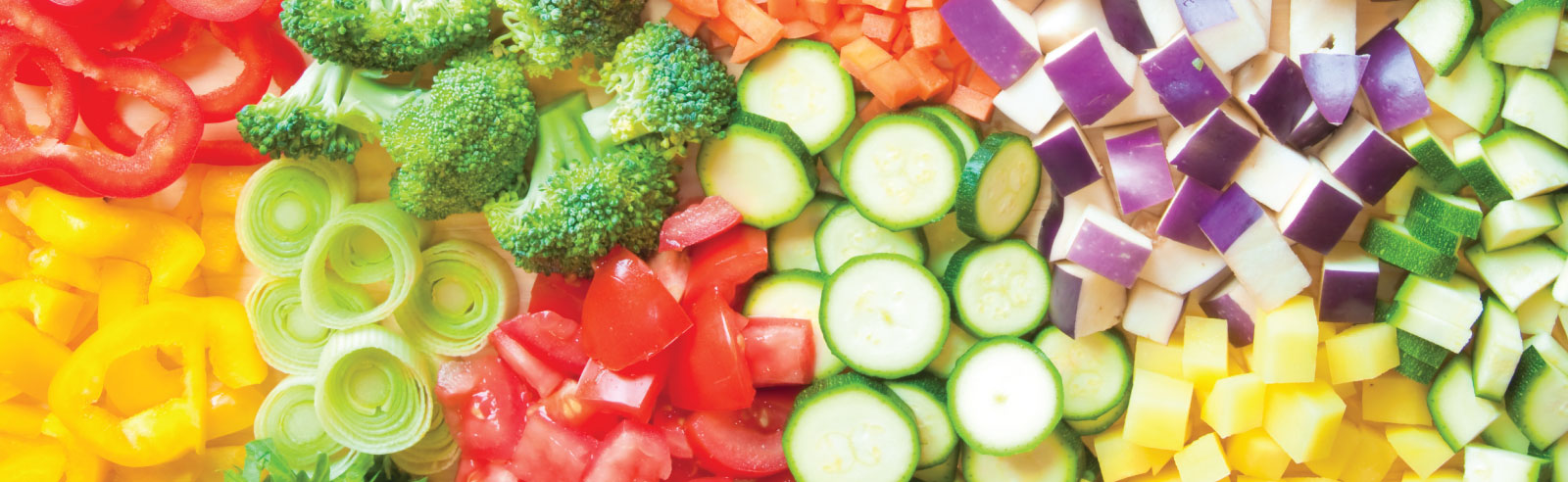
The positive news is that it is practical to increase your fiber intake throughout the day. It starts with simple changes, like eating an apple and a cup of oatmeal with almonds for breakfast, or adding legumes (e.g., beans, lentils, etc.) or quinoa to a salad for lunch. Since plants (e.g., vegetables, nuts, and fruits) present with distinct types of fibers resulting in unique health benefits, and some microbes may selectively prefer one type of fiber over another, consuming an assorted diet with various fruits and vegetables is the cornerstone for enhancing the health span of the gut and improving diabetes-related complications. Few of the primary tactics in increasing fiber in your diet include the following: consume a nutritious and diverse diet with a wide range of different plant-based foods, across all six food groups – fruits, vegetables, wholegrains, legumes (beans & lentils), nuts and seeds. Strive to get as many different types as you can. Canned, frozen, fresh, it all counts. Eating the rainbow allows us to flourish heterogeneous microbial communities in our gut. If we eat well, the microbes eat well, therefore, we are more likely to feel well.


References

1.      How Coronavirus Affects Older   Adults. health.usnews.com/conditions/articles/how-  coronavirus-affects-older-adults.

2.      CDC COVID-19 Response Team. “Severe Outcomes Among Patients with      Coronavirus Disease 2019 (COVID-19) – United States, February 12-March 16,      2020.” MMWR. Morbidity and mortality weekly report vol. 69,12 343-346. 27        Mar. 2020, doi:10.15585/mmwr.mm6912e2

3.      Nania, R. (n.d.). 95 percent of Americans killed by Covid were 50+. AARP.    Retrieved September 13, 2021, from https://www.aarp.org/health/conditions-       treatments/info-2020/coronavirus-deaths-older-adults.html.

4.      Preliminary Estimates of the Prevalence of Selected Underlying Health            Conditions Among Patients with Coronavirus Disease 2019 — United States,          February 12–March 28, 2020. MMWR Morb Mortal Wkly Rep 2020;69:382–386.       DOI: http://dx.doi.org/10.15585/mmwr.mm6913e2

5.      Zhu, Lihua, et al. Association of Blood Glucose Control and Outcomes in         Patients with COVID-19 and Pre-Existing Type 2 Diabetes. 1 May       2020, www.sciencedirect.com/science/article/pii/S1550413120302382?ca      sa_token=Z62_Kb0zrqQAAAAA%3AYoK9OnCK2T3rHDULwhCYmLA4uF      8PZGoCFbzYpK4qcYYC7ZQ_JhUvDT-OU_YzFNCjBJVnNT_SihvQ.

6.      Mcintosh, et al. “Diet Containing Food Rich in Soluble and Insoluble Fiber     Improves Glycemic Control and Reduces Hyperlipidemia among Patients with         Type 2 Diabetes Mellitus.” OUP Academic, Oxford University Press, 1 Feb.       2001, academic.oup.com/nutritionreviews/article/59/2/52/1826089.

7.      Yokoyama, Yoko et al. “Vegetarian diets and glycemic control in diabetes: a   systematic review and meta-analysis.” Cardiovascular diagnosis and         therapyvol. 4,5 (2014): 373-82. doi:10.3978/j.issn.2223-3652.2014.10.04

8.      Arnolds, Kathleen L, and Catherine A Lozupone. “Striking a Balance with Help from             our Little Friends – How the Gut Microbiota Contributes to Immune           Homeostasis.” The Yale journal of biology and medicine vol. 89,3 389-395. 30   Sep. 2016

9.      Sivaprakasam S, Prasad PD, Singh N. Benefits of short-chain fatty acids and their       receptors in inflammation and carcinogenesis. Pharmacol Ther. 2016;164:144‐        151. doi:10.1016/j.pharmthera.2016.04.007

10.  UCSF Health. “Increasing Fiber Intake.” Ucsfhealth.org, UCSF Health, 31 Oct.       2019, http://www.ucsfhealth.org/education/increasing-fiber-intake.

11.  Yatsunenko, Tanya et al. “Human gut microbiome viewed across age and       geography.” Nature vol. 486,7402 222-7. 9 May. 2012,        doi:10.1038/nature11053

12.  Graham, Catherine et al. “Obesity and the gastrointestinal microbiota: a review of       associations and mechanisms.” Nutrition reviews vol. 73,6 (2015): 376-85.   doi:10.1093/nutrit/nuv00413.Wen, Li, and Andrew Duffy. “Factors Influencing       the Gut Microbiota, Inflammation, and Type 2 Diabetes.” The Journal of             nutritionvol. 147,7 (2017): 1468S-1475S. doi:10.3945/jn.116.240754


Tuesday, September 28, 2021

Book Review: Overcoming Binge-Eating by Christopher G. Fairburn

 Written by: Margaret Conte, Dietetic Intern

As a dietetic intern, we learn to calculate patient needs and how to present our findings to the patient. We receive training on counseling, but the focus is on nutrition. When it comes to treating eating disorder patients, in many ways the counseling is far more important than nutrition. “Overcoming Binge-Eating” gives an intimate look into the therapy and counseling side of treating binge eating disorders, and I believe it is a valuable read for all current and future dietitians.

            The book is divided into two parts, the first of which discusses the research and what is known about binge eating disorders. Part II is an evidence-based curriculum that can be followed by an individual alone or in conjunction with a therapist. One asset of the book is its readability. An individual need not be a medical professional to understand the information or follow the curriculum.


What is binge eating?

            Binge eating is more recently being recognized as an eating disorder with a psychological basis, rather than a merely lack of discipline when it comes to eating. Some people can binge, and it has no effect on their lives. This is called an indulgence and is a common phenomenon in men and women. When the repeated practice has a profound impact on a person’s quality of life and health, then it becomes an eating disorder, and we as dietitians can help with this. The two hallmarks of a binge are 1) the amount eaten is excessive in the eyes of the individual and 2) there is a sense of loss of control in the eyes of the individual.

            We are taught as nutrition students that binges are the result of restriction. According to Fairburn, the most common foods eaten in a binge are foods the person is trying to avoid. There is a myth that binges are characterized by high carbohydrate content, but in reality, the proportion of carbohydrates in a binge is no different than in ordinary meals. Binges are characterized by the amount of food rather than the macronutrient composition of the food.

            Binges can cause extreme distress in people. So why would someone subject themselves to feeling “gross” and “disgusted” over and over? This is important to understand in order to help someone overcome binge eating. One study interviewed women with bulimia nervosa who binge and revealed major precipitants of binges: tension, eating something (anything at all), being alone, craving specific foods, thinking of food, going home (after school or work), feeling bored and lonely. Other reasons for binges include undereating and the associated hunger (especially those who eat little outside of binges), breaking a dietary rule, and unpleasant emotions.

            Binge eating can be an eating disorder in itself, “binge eating disorder”, or it can be a component of anorexia nervosa, bulimia nervosa, or eating disorders not otherwise specified (do not meet the diagnostic criteria for anorexia nervosa, bulimia nervosa, or binge eating disorder). Many people who binge also diet. People who binge might think their dieting is in response to the binging, while in reality the binging may have initially resulted from the dieting, and the two cyclically encourage one another. The person may also engage in self-induced vomiting or laxative misuse, which encourages more binging. As we have learned in class, self-induced vomiting and laxative misuse can cause very serious health effects.


How can I use this book to help my patients?

Part II is a self-help program for people who binge. There are many concepts throughout Part II that hark back to the motivational interviewing and transtheoretical model of change we learned in counseling classes. It begins with the chapter, “Why Change?” and instructs the reader to “Start by drawing up a list of the potential advantages of change. To help you do so, ask yourself the following questions:

If I stop binge eating . . .

• Will I feel better about myself?

• Will it improve my quality of life?

• Will my physical health be enhanced?

• Will others benefit?”

            The rest of Part II outlines steps of the program. Step 1: Starting Well covers self-monitoring and weekly weighing. Step 2: Regular Eating establishes a pattern of regular eating and stopping vomiting and misuse of laxatives. Step 3: Alternatives to Binge Eating substitutes alternative activities and identifies changes in weight. Step 4: Problem Solving addresses problems that may be coming up. Step 5: Taking Stock reviews progress and decides what else needs to be tackled. Next there is a diet module which tackles strict dieting and a body image module that addresses shape concerns, shape checking, shape avoidance, and feeling fat. The program closes with the section Ending Well, which discusses maintaining progress and addressing setbacks.


Why is this important?

            Because eating disorders are so complex, it is especially important for the dietitian to collaborate with other professionals, and understand their own scope of practice and refer appropriately. I hope this blog post will encourage future dietitians to read “Overcoming Binge Eating”, because the information I have written here only scratches the surface of the links between dieting, binge eating, and eating disorders. We will be better dietitians for understanding where binging behavior comes from, and how to make recommendations appropriately for optimal health of body and mind.


Friday, June 18, 2021

Do I Really Have to Cut Out Alcohol?


Written by: Hailey Wegner, SLU Dietetic Intern

When the word “dietitian” slips into conversation with any friend or passerby – I often know what is going to come next... a question regarding nutritional intake that this person wants to know about.

Friends: “What’s with this keto diet... Anyway?”

Stranger at the grocery store: “So...should I be eating more super foods?”

But when I am among young adults... there is one question that almost always comes up.

Everyone: “Do I really have to cut out alcohol?”

This question especially comes up when the young adult wishes to see physique changes. This is especially, especially true when the young adult is a competitive athlete... and especially, especially, especially true when the young adult is a competitive collegiate athlete.

_______________________

There is no question that drinking alcohol is written into the culture of almost every college attendee. First year students of traditional college often drink irresponsibly, and believe drinking to be integral to the college experience with over 40% of college students endorse heavy episodic or “binge” drinking (generally defined as 5 + drinks in one sitting for men and 4 + drinks in one sitting for women)(1, 2).

This is not untrue for athletes. While some may believe that the collegiate athlete is at a lower risk of engaging in binge drinking due to scheduling constraints or the physical demand of peak performance; studies show that students involved in sports have a higher tendency to drink/get drunk/binge on alcohol more often than those students with no involvement in sports(3).

So what DO I tell athletes when the question of: “so what about alcohol...” comes up?

_______________________

Me: “I’m glad you asked... because it indicates that you care about your body performing the BEST that it can...”

Depending on the circumstances that apply to the athlete in front of me... I can choose from the LARGE array of evidence that shows the detrimental effects of alcohol on athletic performance.

Me: “Alcohol consumption disrupts our metabolism of nutrients... so your body and performance will suffer.”

And its true! Research has shown that: Alcohol consumption has been shown to inhibit liver glucose output during exercise; which can cause low blood sugar while exercising, and alcohol will decrease muscle glucose uptake – so tissues cannot get the fuel that they need. It also suppresses the breakdown of fatty acids—and is therefore regarded as a risk factor for weight gain (5) . Alcohol consumption prevents your body from absorbing important nutrients like thiamin, vitamin B12, folic acid and zinc(4). (These nutrients help in the formation of new cells, boost your immune system, and aid in the metabolism of proteins and fats).

Me: “Most importantly to athletes, though, is that large amounts of alcohol can shut off muscle repair, growth, and even has been shown to produce muscle wasting.” (7)

Which is ALSO true. AND... Athletes tend to consume the most alcohol in the 1-2 hours after exercise, which is the timeframe that is the most critical for optimal nutrient uptake. (6)

Me: “Not surprisingly then... Athletes who drink alcohol at least once per week have an elevated risk of injury as compared to athletes who do not drink”

This is for a variety of reasons... Alcohol is shown to increase fatigue during high-intensity exercise, (6) which can lead to poor concentration and sloppy performance. Alcohol increases production of anti-inflammatory molecules; and inflammation is a key part of the muscle repair process, and alcohol consumption induces dehydration and loss of blood flow to active tissue. (6)

Me: “There are even some detriments that most people wouldn’t think about... such as impaired temperature regulation, depressed immune functioning, low testosterone production, and decreased quality and duration of sleep.” (10, 6)

I am sure we can all imagine how those could negatively impact performance.

Me: “And I know you think you can hang... but even mild hangover symptoms have direct impact on performance; such as: headache, nausea, hypersensitivity to light or sound, diarrhea, fatigue, dehydration, and body aches” (4)

Athlete: “Okay... so I will avoid alcohol in-season... but it’ll be fine in off season.. right?

Me: “Well... actually, no. Studies have shown “chronic” detrimental effects of alcohol can accumulate in as little as as 6-weeks.”

Some well-researched chronic detriments include increased whole-body protein breakdown and long-term compromises to the immune system... which makes an athlete more susceptible to career-delaying illnesses  (6, 8)

Me: “But... Don’t worry! Everything in moderation, including moderation... there is evidence that low doses of alcohol can be safely consumed without an impact on performance”

That’s right! As long as the athlete is of legal drinking age, low-to moderate doses of alcohol have been shown to have no effect on certain subsets of athletic performance. 

Studies show that low doses of alcohol are unlikely to be detrimental to repletion of glycogen, rehydration and muscle injury and have little to no effect on muscle protein balance or muscle growth (11)

Notably, low doses of alcohol would be less than 1-2 drinks per day for men, and less than ½-1 drink per day for women; and that “stacking” these drinking events to 1-2 days per week is still considered binge drinking. (12) These drinks would be measured using a “1 drink” equivalent of 5 oz of wine, 12 oz of beer, or 1 shot (1.5 oz) of liquor (13) .

_______________________

All in all, the evidence AGAINST consuming alcohol while participating in athletics is overwhelming. However, much like a human-relationship to food, the human-relationship to alcohol can be seen written into many aspects of collegiate culture. My overarching recommendation for athletes always encompasses these two ideas.

Me: “It is best to avoid any alcohol consumption to ensure top-notch athletic performance. But for athletes who choose to drink, you should become fiercely aware with the AMOUNTS that are shown to cause no affect... drinking to achieve social acceptance should not be a priority over your physical performance in your sport, especially since there IS an amount of alcohol that is considered safe to consume. With this in mind, avoid alcohol 48 hours prior to any athletic event and rehydrate/ consume food BEFORE celebratory drinking to slow alcohol absorption.”

Love,

Your Sports Dietitian


References:

1) Crawford, L. A., Novak, K. B., & Jayasekare, R. R. (2019). Volunteerism, Alcohol        Beliefs, and First-Year College Students’ Drinking Behaviors: Implications for       Prevention. The Journal of Primary Prevention, 40(4), 429-448.             doi:10.1007/s10935-019-00558-z

2) D.A. Dawson, B.F. Grant, F.S. Stinson, P.S. Chou, Another look at heavy episodic       drinking and alcohol use disorders among college and noncollege youth,        Journal of Studies on Alcohol, 65 (2004), pp. 477-488

3) Ford JA. Alcohol use among college students: a comparison of athletes and nonathletes. Subst Use Misuse. 2007;42(9):1367–77.

4) Alcohol and Athletic Performance. (n.d.). Retrieved from        https://alcohol.stanford.edu/alcohol-drug-info/staying-safe/alcohol-and-          athletic-performance

5) Suter, P., Schutz, Y. The effect of exercise, alcohol or both combined on health and physical performance. Int J Obes 32, S48–S52 (2008).         https://doi.org/10.1038/ijo.2008.206

6) Barnes MJ. Alcohol: impact on sports performance and recovery in male athletes. Sports Med. 2014 Jul;44(7):909-19. doi: 10.1007/s40279-014-0192-8. PMID:        24748461)

7) Steiner JL, Lang CH. Dysregulation of skeletal muscle protein metabolism by           alcohol. Am J Physiol Endocrinol Metab. 2015 May 1;308(9):E699-712. doi:   10.1152/ajpendo.00006.2015. Epub 2015 Mar 10. PMID: 25759394; PMCID:     PMC4420901.

8) Hong-Brown LQ, Frost RA, Lang CH. Alcohol impairs protein synthesis and degradation in cultured skeletal muscle cells. Alcohol Clin Exp Res.            2001;25(9):1373–82.

9) Cameron C. et al, Sport-related achievement  motivation and alcohol outcomes:     An athlete-specific risk factor among  intercollegiate athletes, Addictive       Behaviors, Volume 38, Issue 12, 2013,  Pages 2930-2936, ISSN 0306-4603,

10) Yoda T, et al,. Effects of alcohol on thermoregulation during mild heat exposure   in humans. Alcohol. 2005 Jul;36(3):195-200. doi:         10.1016/j.alcohol.2005.09.002. PMID: 16377461.

11) Kimball, S. R., & Lang, C. H. (2018). Mechanisms Underlying Muscle Protein          Imbalance Induced by Alcohol. Annual review of nutrition38, 197–217.       https://doi.org/10.1146/annurev-nutr-071816-064642)

12) Maraldi, C., et al,. (2009). Moderate Alcohol Intake and Risk of Functional Decline: The Health, Aging, and Body Composition Study. Journal of the           American Geriatrics Society, 57(10), 1767-1775. doi:10.1111/j.1532-   5415.2009.02479.x

13) National Institute on Alcohol Abuse and Alcoholism. (NIH Publication No. 07-      3769).Helping patients who drink too much: a clinician’s guide   (updated) 2007


Wednesday, June 2, 2021

Food Waste & Insecurity in the United States

 Written by: Tene Smith, SLU dietetic intern

            The impact of food waste in the United States is higher than any other nation in the world. One could derive to the conclusion that this would mean the United States would not suffer from food insecurity. However, both crisis, food waste and food insecurity are at an all-time high, affecting more than 50 million food insecure Americans to date (www.today.com) . Yet, many efforts are in active process to bring these numbers down, some with the aid of dietetic professionals. In the food service industry, some ways dietitians can prevent food loss/waste are related to overproduction, underutilization, menu changes, portion control, composting, and purchasing.

How can waste be prevented?

Products should be purchased that would provide the least waste in production and service. Smaller plates and containers also contribute to the lack of food waste through portion control. The portion sizes would help determine how much product needs to be purchased. Therefore, this assists in preventing spoilage and excessive food cost. Also, purchase only what is needed. Avoid impulse, bulk, and sale purchases of fresh items if not planned for consumption, canning, or freezing prior to expiration.  If there are leftover or excessive amount of product available, repurpose it into new menu options such as a soup, casserole, or stew. Scraps can also be used in stocks and/or composting.

                Support of dietetic professionals can assist in implementing ways to prevent food waste and insecurity in the United States. Although these practices will make a great impact in reducing the crisis, it will take individual interest and acts of the American people to put an end to food waste and food insecurity.

Resources available for those experiencing Food Insecurity:

WIC https://health.mo.gov/living/families/wic/families/howdoiapplyforwic/

SNAP https://mydss.mo.gov/food-assistance/food-stamp-program

Saint Louis University Billiken Bounty Food Pantry:  (SLU Students Only)

https://www.slu.edu/student-development/dean-of-students/billiken-bounty.php

Check out this infographic below:


References

Murray, R. (2020). More people are going hungry than ever before. Inside the efforts to help. Today: Food. Retrieved from https://www.today.com/food/50-million-people-may-experience-hunger-year-these-organizations-are-t203672

https://www.slu.edu/student-development/dean-of-students/billiken-bounty.php


Wednesday, May 19, 2021

“Imperfect Foods” Review

 Written by: Sarah Trost, SLU Dietetic Intern

What is “Imperfect Foods”?

“Imperfect is a food delivery service that was founded to fight food waste by finding a home for the imperfect of “ugly” fruits and vegetables that farms couldn’t sell to grocery stores”. This original concept has grown over time. The company realized that not only was eliminating food waste important, it is equally as important to ensure that the entire food system is improving for everyone.

This company is constantly working on plans to better the environment. Their current plans are aimed at becoming a net-zero carbon company by 2030. They are doing this by focusing on 3 projects:

  1. Intentional sourcing: By 2022, Imperfect Foods will increase their regional sourcing by 15% to reduce the number of trucks moving and delivering food. I noticed this in my order specifically. They asked for my zip code and I was given a specific grocery delivery day, Wednesday, based off of where I lived.
  2. Reducing waste to landfill: In addition to rescuing one billion pounds of food by 2030, Imperfect Foods will also create their first facility certified zero-waste-to-landfill operation by 2022. This was also something that was reflected in my order. There was no additional packaging in the box that was delivered to me. The box itself, along with insulation was all recyclable or reusable. There were very clear instructions laid out what to do with the extra materials in the box
  3. Using energy responsibly: By 2026, Imperfect Foods is hoping to convert all of their fulfillment centers to 100% renewable power. Beyond the fulfillment centers, they also have a goal of having a fully electric vehicle fleet by 2027.

Ordering Process

The ordering process was very user friendly and individualized. Before placing an order, I took a short quiz for them to find out more about me. They asked how many eaters I had in my household, what size box I would like to receive, my food preferences, and what subscriptions I would like to sign up for. Their typical grocery plan includes a produce, plant, dairy, snack, meat & fish, and grains pack. This grocery plan comes with approximate prices for each pack, and it is easy to unsubscribe from any of them. For example, I could have easily removed the meat & fish pack from my plan if I was a vegan/vegetarian or if I just didn’t need any meat during that week. 

Like I mentioned before, my location specific delivery day was Wednesday. I also had a specific time frame during which I could grocery shop, which was Friday to Monday morning. Imperfect Foods curates a box for you that you can then customize if you decide that you don’t want an item or want something that isn’t on that list.


The payment for the groceries does not come out of your account until your box has been shipped. With the adjustments I ended up making to my box, my total for my entire order was around 70 dollars. For the week that I ordered, groceries over 68 dollars were offered free shipping. I did enjoy that perk. They also had a low cost box option for people that may need help paying for their box. There is a short application process, but, if accepted, the low cost box will be given with a 20% discount.

My Order

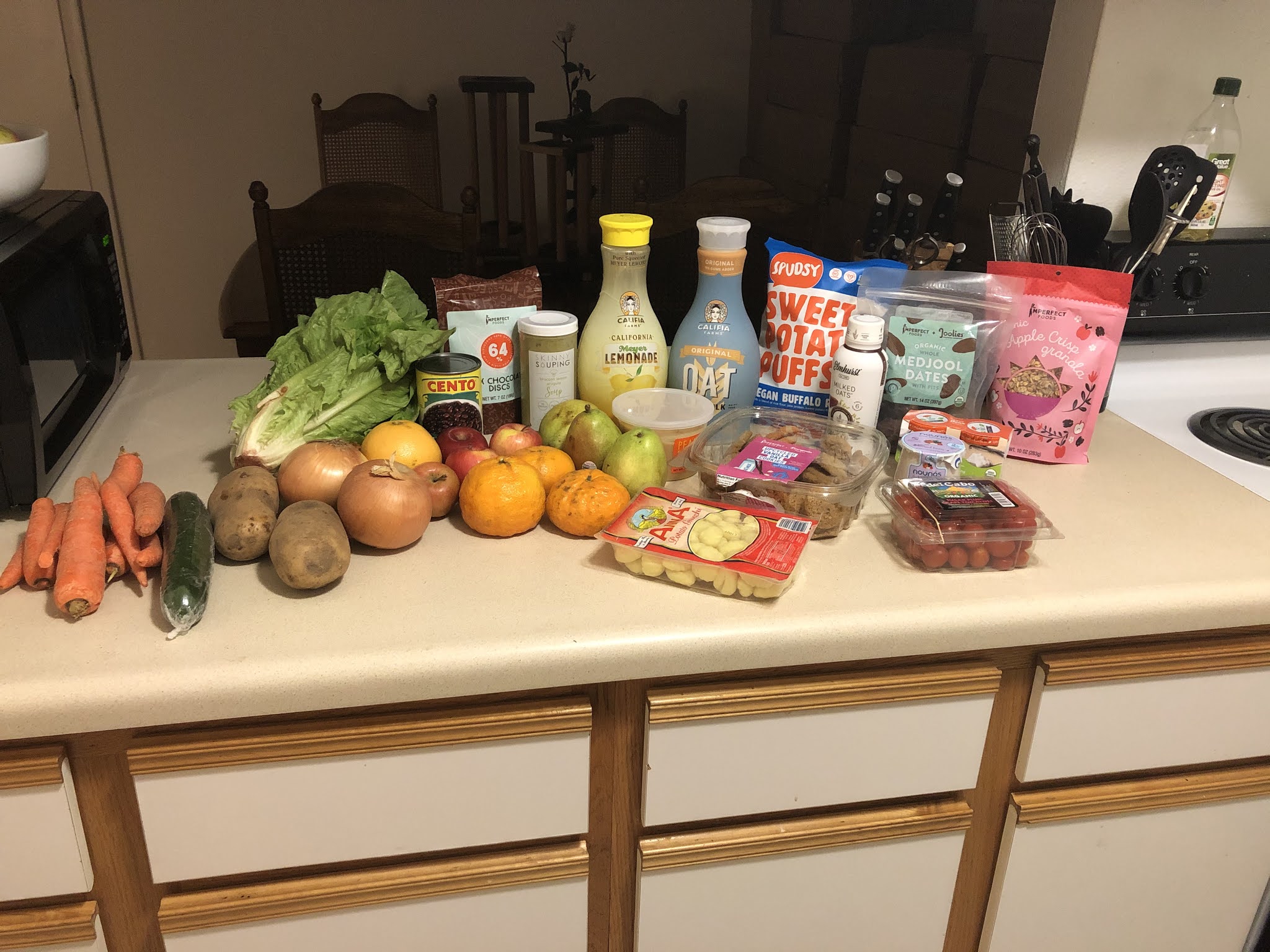
My curated order with some small adjustments that I made cost a total of 70.88 for 24 items, approximately $2.95 per item. Below is a picture of all of the groceries together.

Review

Overall, I was fairly pleased with my order. I enjoyed the process and found myself getting very excited about receiving groceries that I don’t normally pick up in stores. I also enjoyed the fact that I was supporting a company that is doing so much for causes that I care about.

As far as pros go for the order, there were many. I liked the variety with the groceries and I enjoyed getting to choose some of my own items as well. They typically deliver food that is in season, so a lot of the fresh fruits and vegetables were perfectly ripe. I loved the fact that I didn’t have to actually go to the grocery store; saving that trip also saved me from collecting more plastic bags as well. Receiving items that I don’t typically shop for got me excited to cook and eat meals and changed things up from the typical 5 or 6 meals that I always make.

On the opposite side, there were a couple of things that would keep me from ordering again. The biggest turn off would probably be the price. I know that the overall cost for the groceries was not outrageous; however, I typically spend a little less than 70 dollars per week at the store and I feel like I usually get the same amount, if not more items. The items that I did receive were awesome, but I don’t think it was enough to make meals for an entire week, which is what I normally do with my groceries. If you are used to shopping at higher priced grocery stores like whole foods or even target, I don’t think that the prices will be a big problem. Another small issue, which could have been user error, was that the website didn’t portray serving sizes very well. There were a couple of things that I ordered that looked a lot bigger online than they were when they arrived. This wasn’t too big of a deal though, and I believe that I would get better at knowing what to order as time goes on.

I do believe that I will order from Imperfect Foods again. I don’t think I am interested in a weekly subscription, but I could see myself ordering a box every couple of months to change things up a bit and support a great company.


Sources:

https://www.imperfectfoods.com/


Monday, May 3, 2021

Start Gardening ASAP!

 Written by: Will Sanders, SLU Dietetic Intern

https://kslnewsradio.com/wp-content/uploads/2020/04/GettyImages-1134719594-768x435.jpg

Are you aware of the potential benefits gardening has to offer? Gardening can provide more than just delicious low cost organic produce. Gardening is a unique learning experience unlike any other. Gardening has been an integral part of my life since I was a young child. As a college graduate student and intern I have been utilizing the university’s garden and gardens at local schools to educate children in the local community about nutrition.  

Growing up

Gardening has been a fundamental part of my life since I was a young child throughout my years in high school. I assisted my mother in building and maintaining our home garden beds during the warm months. When I reminisce on those times, the fresh scent of mint and an abundance of ripe tomatoes always come to mind.

A couple years following planting mint in the ground, the plants multiplied so rapidly that they eventually took up one third of the garden. My mothers’ favorite crop has always been tomatoes. We grew a variety of different tomatoes in the garden, creating and testing new trellises in an attempt to find the best method for growing tomatoes. The plethora of mint and tomatoes available was utilized in the kitchen to make dishes like tabbouleh and capris salads. These two dishes quickly became favorites of mine (and they still are!). During the time spent with my mother in the garden, I learned a lot about how to ensure garden crops flourish and how to maintain and provide a bountiful harvest throughout the growing season. Picking from the garden and utilizing our harvest to make unique, colorful, fresh, and tasty meals allowed me to understand and embody the fruits of our labors, while simultaneously learning basics of nutrition related to the growth of food.  

Current experience(s)

While attending Saint Louis University, I have lived in dorm rooms and apartments for the past 4-5 years during my college and graduate studies. Although there are opportunities throughout Saint Louis to continue gardening, my gardening and plant nurturing experiences remained limited during these years. My experiences were primarily isolated to working in my mothers garden during time spent at home while visiting family and to a few plants I attempted to keep alive in my living spaces.

During graduate studies, my interest in gardening was reawakened when we began a project that focuses on educating grade and middle school students in the city of Saint Louis about nutrition and gardening. This project teaches kids about gardening and it’s benefits through short and fun nutrition education lesson with activities that my classmates and I designed. Our first lesson this semester covered garden basics, such as what plants need to grow and thrive. During this lesson we planted some seeds for the kids to watch grow throughout our coming lesson plans. At the end of the semester, the kids get the opportunity to try some of the produce they have been learning about and growing throughout the lessons during what we call “The Salad Party”! 

https://blogger.googleusercontent.com/img/proxy/AVvXsEixetTTb0FQADUf6zzXz75sYRw3bxhsa7tb_xzKUbl8p3uxyt4jA18LfHELHBKqC5Q1Kr26RqsKwCT5orR1K_WnEuH5tj-7P3Tlxo8v7Fw-nbG0pH1_tkKKMLpxU-Kml3VwT_eskc4e0WTo9XuL_6KlHA=

The Benefits

There are many benefits to gardening beyond the ability to eat what you grow. In fact, gardening can benefit our mental health, reduce stress, teach us about nature, nutrition and ourselves, and assist our wallets/purses. In modern times, there are many distractions in a typical day of life. When we become consumed with distractions around us, we can get stressed and out of touch with the present moment and ourselves. Gardens can provide opportunities to calm our minds and get in touch with our surroundings and selves.

To me, a garden is an escape from the busy world and distractions around me. While in the garden, I am consumed with the sights, sounds, and smells of the nature around me. While in the garden, my focus does not deter to the stress and distractions I experience on a daily basis. While in the garden, I am calm, content, engaged, and happy. Although I will experience some distractions and stress though out the rest of the week, these thoughts are absent in the garden.

As work is put into the garden, the efforts of labor can be visually recognized, even when miniscule. Maintaining a gardening space and assisting in the growth of plants is a satisfying process! If you are like me and the before/after process of things is exciting to you, then you will be amazed to see produce flourishing in what once appeared as a unsustainable garden bed. There is so much to observe and learn regarding the growth of different types of plants. The fruits of garden labor can be physically embodied following the harvesting, meal preparation, and dinning process

            Gardening can also provide a sense of community as well. Since it can be hard work, getting other friends, family, and community members involved is encouraged! Some mature plants can produce a lot of food if properly cared for, so we should share what we can with those around us. Don’t forget that garden can save us money. It is cheaper to buy seeds, grow them, and eat grown produce than it is to buy from grocery store.

Start Gardening ASAP!

Gardening is an opportunity to better understand food and ourselves, both of which are easy to become disconnected from in modern times. I encourage you to begin gardening ASAP! I have listed just a few benefits of gardening which I have had experience with. I hope you can relate to and find these benefits and more during your garden future endeavors! If you are in a city or do not think there is a suitable place nearby to maintain a garden, consider searching for local garden beds/spaces for rent, assisting a friend or family member with their garden, and/or indoor growing options. 


Friday, April 23, 2021

A Peek at the Experiences of a Pediatric Intern

 Written by: Julia Shoemaker, Dietetic Intern

“I don’t know how you can work with that age.”

“Kids are crazy, I could never do it.”

“Isn’t it super sad?”

“Kids scare me!”

These are just a few of the responses I have received since beginning my internship as a pediatric dietetic intern here at Saint Louis University. I get loads of positivity from people as well, but the above comments are the responses that encourage me to express and share my passion towards working with the pediatric population.

Throughout this blog post, I want to talk about the rewarding aspects of being a pediatric intern, what kind of experiences we get, and share a few things I have learned this year when working with children from my own opportunities and preceptor guidance.

Are there days where I’ve been weak in the knees due to encountering something extremely sad? Or times where I’ve been sick to my stomach from hearing something I never imagined hearing about a child’s experience? Absolutely! But, it’s the occasional goofy knock knock joke, or that child that lights up when you ask them about their favorite foods, or that growth chart that FINALLY takes a turn for the better after a child has been struggling to grow/gain weight, or the excitement in a parent’s face that finally sees improvements in their extremely ill child that makes every bit of working with this population the most rewarding experience.

As a pediatric intern, we have a very similar experience to the Medical Nutrition Therapy (MNT) track. The main difference between the two tracks is that during the second half of the program, our clinical home is at Cardinal Glennon Children’s hospital or Saint Louis Children’s Hospital. I have spent some time at both of these facilities and they are truly wonderful places to work. You can almost feel the positivity in the air while working with the other health care providers there. It is definite that everyone in the hospital is working provide the best that they can for each patient. Along with this experience with pediatrics, we also get a broad range of experience with the adult population. This helps us to be equipped to work with any age group we want when we graduate. So, if we really do come out of this with the feeling that pediatrics just is not our thing, we have options. 

We also have the opportunity to go to various health fairs hosted for children during the year. These have been quite different this year due to COVID, but I have still had the opportunity to attend a couple events for the kiddos! The health fairs I had the ability to attend were Give Kids A Smile and Tiny Smiles. For these event, kids come and have a dental visit and then they get to come hang out with the dietetic interns to get weighed, measure, and educated about healthy habits. It’s a fun event that allows us to interact with kids in the community and attempt to make a difference very early in the child’s life. This gives us a chance to experience a community type setting, which is quite different than the clinical setting. We also get real life experience using paper growth charts and talking to parents about where their children stand on these charts. It’s great practice working with both kids and parents, which is a valuable skill set that one will need when working with pediatrics.

This is a picture of me at the Tiny Smiles health fair that we did in the fall.

I have truly learned so much throughout the last year of my internship. With little previous experience working in the field of pediatrics, I’ve tried to quickly catch on to various tips and tricks to use with the kids. I’ve learned that it is very important to involve the child in conversations that you are having while in their room. If the child is old enough to be involved and the conversation is appropriate, this is a great way to form a bond and make the child feel comfortable. The hospital is a scary place, especially as a child that may have little understanding about what is going on. I remember being deathly afraid of going to the doctor or having any type of medical appointment as a child, and feel that this has helped me to better empathize with these patients. It seems so unfair what these children are going through and there is not a thing they have done to deserve being in the position they are in. Making them feel better for even a short amount of time is so important to me. Walking into their room with a smile and trying to distract them from the scary hospital situation by talking to them about nutrition is a great way to help them feel better or even joyful for a little bit. 

One of my favorite aspects about working with the pediatric population is that I get to talk to the kids about food. I’m not the one coming in to poke or prod them with needles, draw their blood, or anything of the sort. I am simply there to make sure they are nourished and have a conversation about one of a human being’s favorite things, food! I’ve learned that so many parents will do whatever it takes to help their child get better, and the fact that they are leaning on us to help is so amazing.

Another amazing aspect of working with the pediatric population is the fact that we get to watch these children grow. Through ensuring children are getting the right amount of nutrition, we can physically watch their growth charts move and see that what we are doing for them is truly helping them get better or become healthier. It’s such a good feeling when a parent puts their trust into you as a professional to take care or their child. Though this is not the case with every family, many of them really do look to you for your professional advice because they are willing to do whatever it takes. The fact that these patients and parents often do rely on your advice and act on it really is a breath of fresh air.

This is a picture of a fun kid friendly cooking demo I did during my internship year.

Throughout this year, I have realized that working with children is a great way to build a healthier future for our world. A child that has not yet formed unhealthy habits is much more likely to make the healthy changes that we urge people to make as future dietitians and registered dietitians. I feel that this is another reason I am drawn to working with children. I want to help form healthier generations ahead and I believe that this can be accomplished through nutrition education at a young age. Not only do we have the opportunity to mold healthy habits in children, but we also have an opportunity to teach parents healthier ways of living by talking to them about their child’s health. As dietitians, it is our job to get through to this age group and help them to form these healthy habits early on. We must give them the tools that they need, because no one is equipped in the way we are to do so. Not only should we be pushing the healthy habits, but also educating them on why they are so very important. I hope that throughout my career I see this shift towards healthier lifestyles early in life, and plan to do what I can to make this happen.

With all of this being said, is working with this population sad from time to time? Yes. Are there days where you want to breakdown over a situation with a sick or injured child or after hearing a sad experience? Absolutely. Are kids sometimes a little silly or crazy? Of course. BUT the rewarding feeling you get when you help a child in need really does outweigh the bad days you will have in this job. Most kids truly are so pure and their personalities shine through unapologetically at all times, which is simply amazing and sometimes hard to find in the adult population. Knowing, seeing, or hearing that I have made a difference in a child’s life is worth every single bit of time that I’ve put into schooling/training for this profession. I truly cannot wait to become a registered dietitian and continue to build a healthier world through educating younger generations.